Genuine vs. Dyed or Heat-Treated Crystals: A Spotter's Guide
Learn to spot dye pooling, unnatural saturation, and coated surfaces with simple at-home checks, and read...

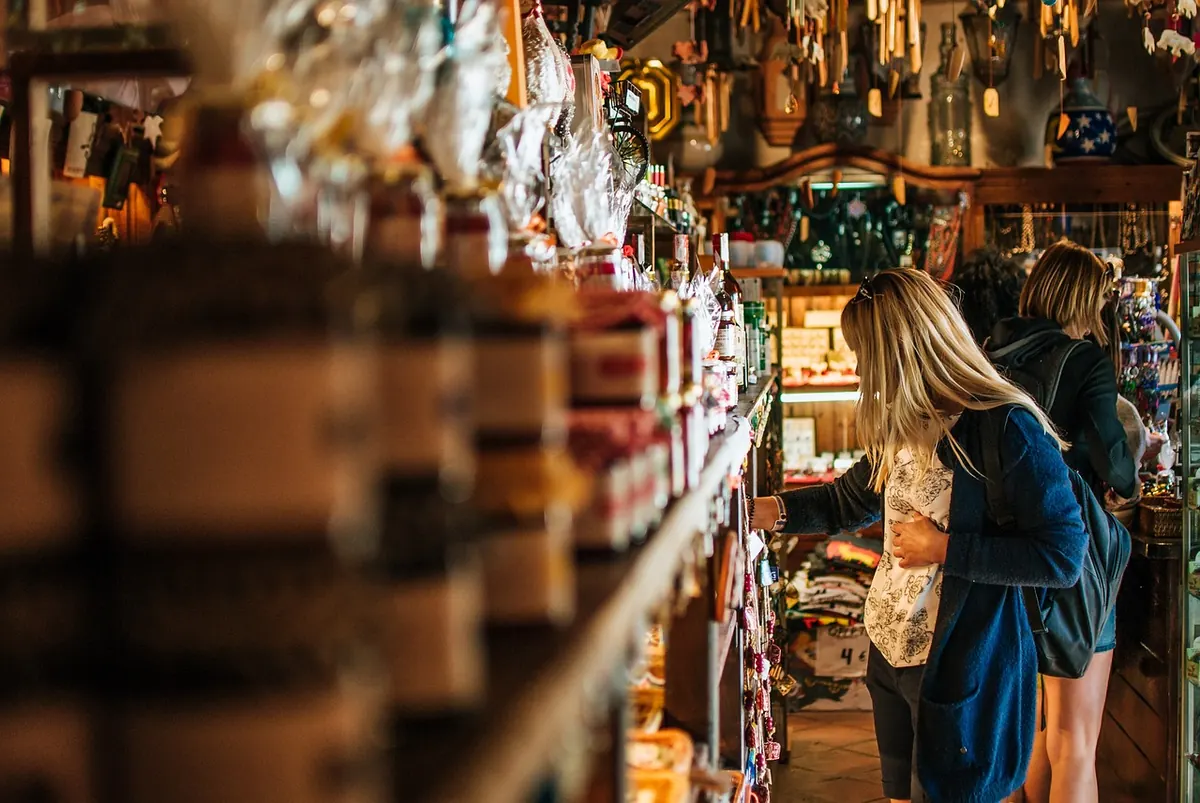
A crystal is one of the few things people buy largely on trust. You see a photograph, a weight, a locality name and a price; the rest — how the stone feels in the hand, whether the colour survives daylight, whether the fracture running through the point reaches the surface — you find out afterwards. That is why the useful work happens before payment, not after. The twelve checks below cover what to verify, what to ask in writing, and which answers should make you slow down. None of them need a lab or a loupe. They need a seller willing to answer plainly, and a buyer willing to walk away when the answers stay vague.
A listing that says "large quartz point" tells you nothing. Start with weight, in grams or carats, and ask whether that figure includes the acrylic stand, the wooden base or the box. A 1.2 kg specimen sitting on a 400 g stand is a different purchase from a 1.2 kg crystal, and sellers are not always careful about the distinction. Ask for the weight of the exact piece in the photograph, not an average across a lot.
Then ask for dimensions: height, width and depth in centimetres. Close-up photography flattens scale, and a wide lens makes a modest point look like a tower. If no photo shows a ruler, a coin or a hand beside the stone, request one. When the parcel arrives, weigh it on a kitchen scale before you unwrap anything and compare. Two minutes of measuring is the cheapest protection you have.
Clarity is where vocabulary quietly misleads. "Clear" can mean transparent, milky, or simply "not black". Ask a plain question instead: can you read text through the widest part of the stone? That answer is hard to fudge.
Ask about fractures too, specifically whether any of them reach the surface. An internal inclusion is part of a crystal's character. An open fracture is a practical matter: water, dust and cleaning solutions get in, and a knock in the wrong place can travel. For a piece you plan to display in a sunny window or handle often, this matters more than a perfectly clean interior.
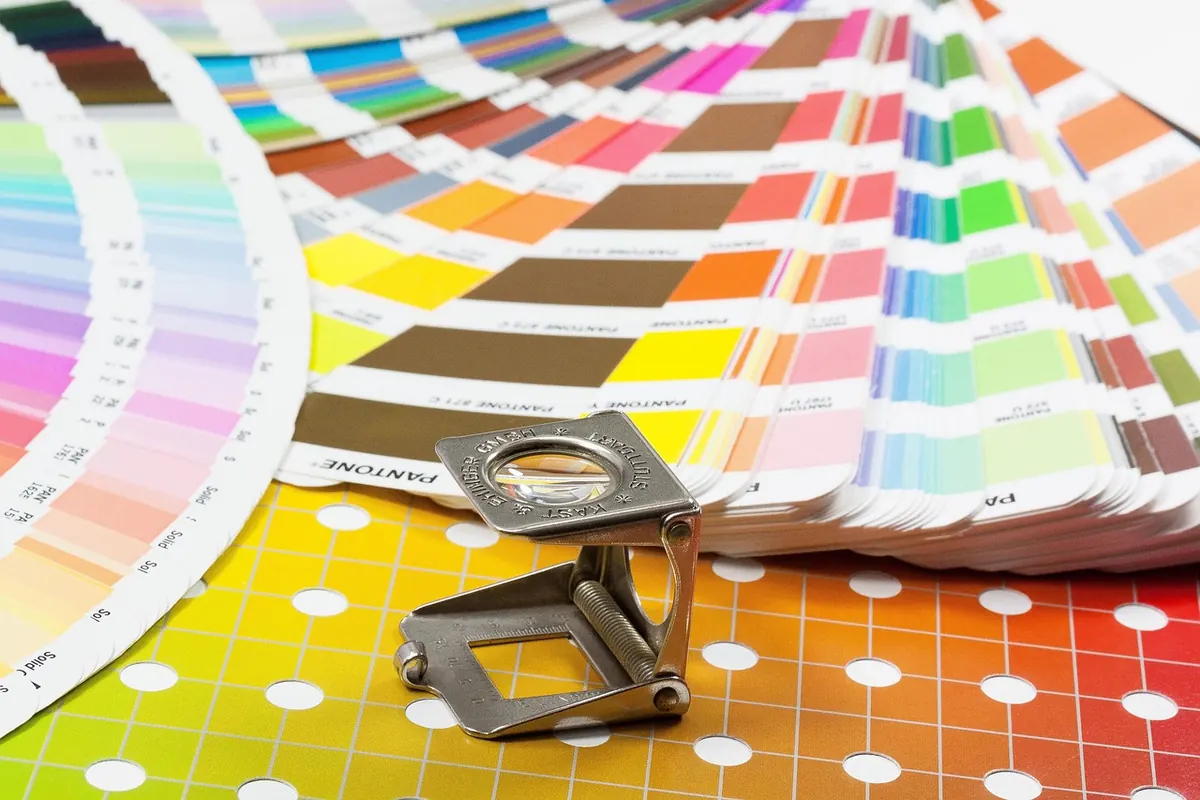
Colour needs daylight. Request a photo in natural light with no flash, and a short video where the stone is turned slowly in the hand. Saturated colour against a black background under a ring light is a studio effect, not a description. If tinted or heavily edited photographs are used, a good seller will say so when asked.
Treatments are normal in the crystal trade; silence about them is not. Dyed agate, heat-treated amethyst and iridescent "aura" coatings are sold openly by honest dealers every day. The issue is only ever disclosure.
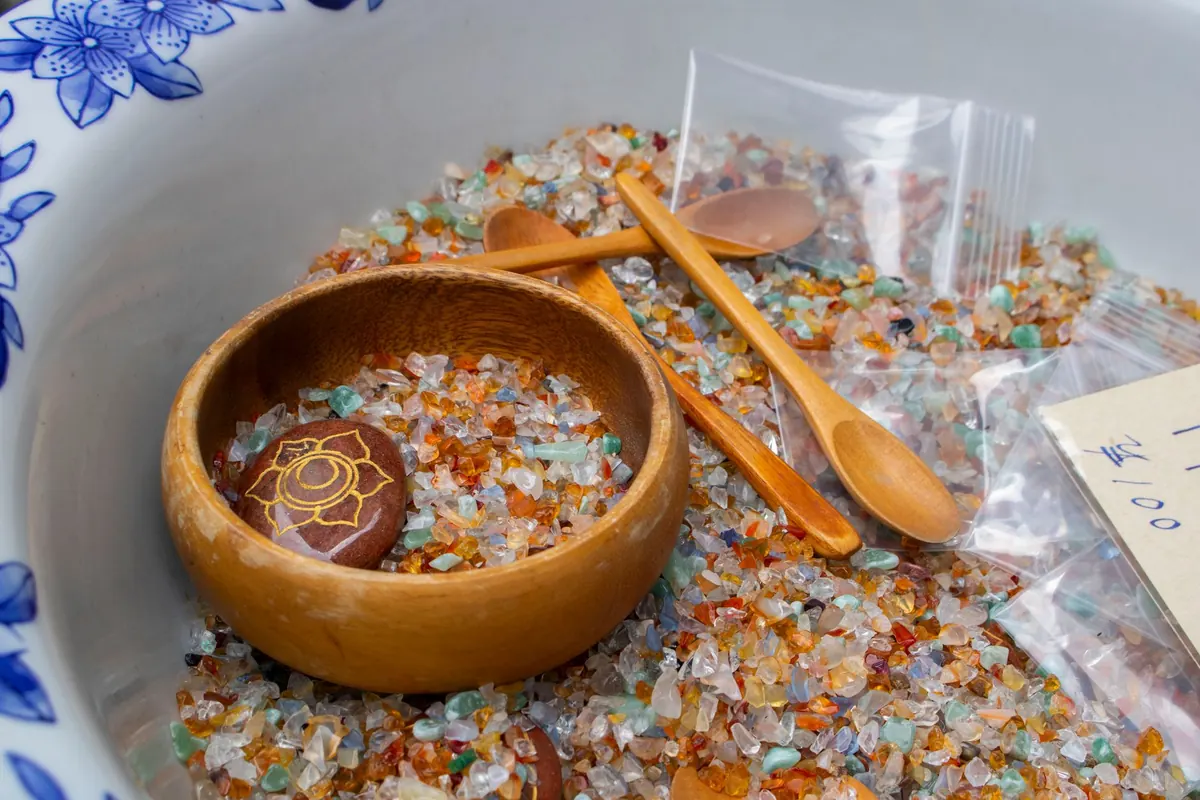
Dyed stones usually give themselves away at the edges: colour pooled in surface cracks, a darker rim around a chip, saturation that drops sharply where the crystal breaks. Ask for a close-up of the base and of any damaged area. If you already own a suspect piece, a lightly damp white cloth rubbed on an inconspicuous spot will sometimes lift a little colour — never do this to a stone you have not bought.
Some stones are coated to add shine or colour, and fractures in gem-quality material are sometimes filled with resin or oil to improve apparent clarity. Ask directly: has this piece been dyed, coated, heated, irradiated or filled? Put the question in a message rather than a phone call, so the answer stays in writing. Vague replies — "it's all natural, don't worry" — are an answer in themselves.
Origin is the detail most often invented, usually with the best intentions. "Africa" is a continent with hundreds of localities; "Brazil" is a country the size of a continent. A locality only means something when it is specific enough to be checked: a named mine, a district, a region known for that material.
Not every stone has a known origin, and that is fine. A seller who says "the locality wasn't recorded, it came to me in a mixed lot from a dealer in Jaipur" is more trustworthy than one who names a picturesque mine with no explanation of how they know.
Certificates deserve the same scrutiny. A gemmological lab report can confirm what a stone is and whether it has been treated, which is genuinely useful for faceted gem material. It does not usually cover specimen-grade crystals, and it is not a substitute for the seller answering your questions. Ask which laboratory issued it and read what the report actually tests.
Before you commit, notice how the seller behaves under two specific questions. Specific questions get specific answers from good sellers: weights, locality, treatment history, and a plain no when they don't know.
Check the return policy before anything else — the length of the window, condition requirements, who pays return postage. If crystals cannot be returned, you are buying blind. Then look for these signals:
A seller who hesitates over a video of a stone they have already photographed is telling you something.
Send your questions in a single message before you pay, and keep the reply. When the parcel arrives, open it in daylight, weigh and measure the piece, and photograph it before you put it on a shelf — if something is wrong, that first photo is your evidence inside the return window.
Set a spending limit before you start browsing, particularly at shows and late-night auctions where the next bid is always a small one. Crystal buying rewards patience far more than speed; the piece you hesitate over today will usually have a cousin on the same table next month.
And if a purchase is large enough to affect your finances, treat it as you would any other significant expense: decide the budget first, ask for the paperwork, and be willing to walk away. The specimens people keep longest are rarely the ones bought in a hurry.
Photo: kasjanf / Pixabay
Learn to spot dye pooling, unnatural saturation, and coated surfaces with simple at-home checks, and read...
A practical guide to Italian mineral fairs: how the shows are organised, how pricing and etiquette work,...
A simple spring equinox routine for sorting, sunning, airing and recharging your crystal collection, with...