Genuine vs. Dyed or Heat-Treated Crystals: A Spotter's Guide
Learn to spot dye pooling, unnatural saturation, and coated surfaces with simple at-home checks, and read...

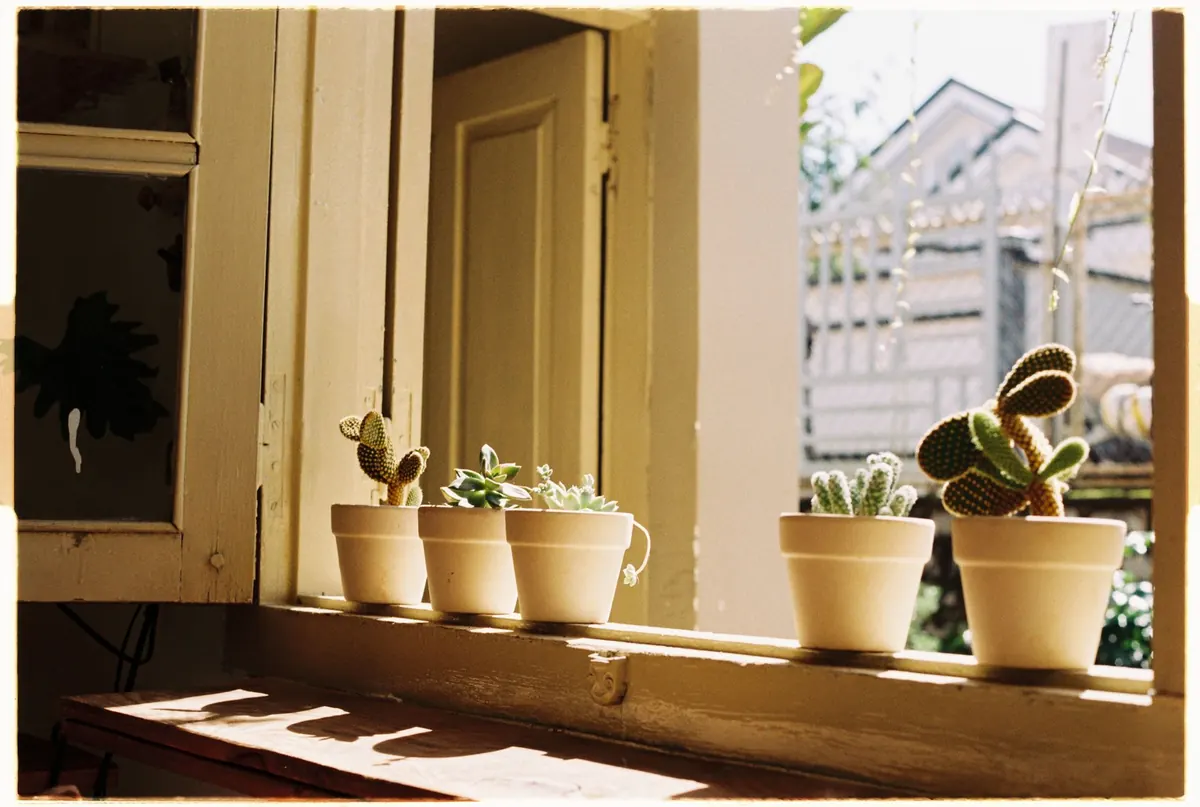
The spring equinox arrives with a quiet kind of symmetry: twelve hours of light, twelve hours of dark, and a garden that seems to have made a decision overnight. For anyone who keeps stones, it is a useful hinge in the year. Winter leaves a film on everything — dust on the shelf, stale air in the room, a collection that has been sitting in the same arrangement since November. The equinox is a good excuse to take the whole lot down, give it a proper clean, and put it back with a little more thought.
What follows is the routine we use at the turn of spring. It needs no special equipment, no expensive tools, and no particular belief system — only a few hours, a sunny morning, and enough patience to handle each stone individually. If you have forty pieces, you might spread it over two days. If you have six, it will take you the length of a coffee.
Any day will do, strictly speaking. Stones do not check the calendar. But a seasonal marker has practical value: it gives you a fixed date for a task that is easy to postpone indefinitely. Without one, the amethyst cluster stays dusty for another six months.
The equinox also happens to fall at a good moment in most temperate climates. The sun is strong enough to do real work but not so fierce that a bowl of rose quartz on a south-facing balcony will bake by mid-morning. Days are lengthening, windows are opening again, and the air in the house is finally dry enough that you are not just moving damp from one room to another.
Think of it less as a ceremony and more as spring cleaning for the shelf where your collection lives. The intention-setting comes after the dusting, not instead of it.
Clear a table and bring everything down. All of it — the pieces you love, the ones you bought on holiday, the tumbled stones rattling loose in a drawer, and the ones you have quietly stopped noticing. Seeing the collection flat and unhurried is usually the most informative part of the day.
As you handle each stone, sort it into one of three piles:
Be honest about the third pile. A collection that has grown by accumulation rather than choice becomes clutter, and clutter is the opposite of what a reset is for. Nothing bad happens if you keep everything; nothing bad happens if you keep twelve pieces and let the rest go.
Once the keepers are separated, wash the shelf itself. Wipe it down, let it dry, and open a window while you work. Dust is the main enemy of a display collection, and most of it is coming from the room, not from the stones.
Lay the stones on a cotton cloth on a tray and put them outside or on a windowsill that catches the morning sun. Twenty to forty minutes is plenty. Morning light is gentler than the harsh afternoon sun of late spring, and a short session is far safer than leaving everything out all day.
Skip the glass if you can. A windowsill behind a closed pane still works, but glass filters out a good portion of what you are after, and an open window or a balcony gives you both sunlight and moving air in one go. If it is still cold where you are, a sunny indoor spot near an open window is a fine compromise.
Several popular stones will fade or suffer with prolonged exposure, and a few dislike any strong light at all:
When in doubt, give the piece fresh air in a shaded spot instead. Air matters as much as light, and nothing on your shelf will suffer from skipping the sun entirely.
Dust first, water later — and often not at all. A soft, dry brush does more good than most people expect. Use a clean makeup brush, a camera lens brush, or a dry paintbrush for the ridges of clusters and the crevices of carved pieces. Work outdoors or over a sheet of newspaper so you are not simply redistributing the dust across the room.
For anything smoother, a barely damp cloth followed immediately by a dry one is usually enough. Be careful with the following:
A note worth repeating: crystals are not a substitute for medical care or treatment. If you use stones as part of a personal practice, keep that practice alongside proper professional advice rather than in place of it. The same goes for anything you might ingest or apply to the skin — don't.
This is where a cleaning session becomes a reset. It takes about ten minutes and requires nothing more elaborate than attention.
Pick up one stone at a time. Hold it for a moment, feel its weight and temperature, and ask yourself a single question: what is this piece for, in the coming season? Some answers will be practical — this one sits on the desk, that one goes by the bed. Others will be less so: patience, focus, a reminder to slow down. There is no right answer and no scoring system.
Write the answer down. A small paper label under the stone, a note in a notebook, a line in your phone — anything that survives past the afternoon. By midsummer you will have forgotten what you decided, and the note is what makes the reset stick.
A reset does not need to be a performance. If you finish with one clean stone on the windowsill and a clear idea of why it is there, you have done the work.
Return the stones to the shelf with the labels face down or tucked underneath. Group them in a way that means something to you rather than by colour or by whatever the internet suggested: the ones you reach for, the ones you look at, the ones that are simply beautiful. Leave a gap. Empty space is what makes a display readable.
Store the rest properly — a lidded box, a padded drawer, away from damp and direct sun. Photograph the collection once a year if you like; it is a useful record and a surprisingly pleasant thing to look back on.
Not everyone has an afternoon to spare on the equinox, and that is fine. The minimum viable version is this: take down the pieces on the main shelf, brush off the dust, open a window for half an hour, put them back in a slightly different arrangement, and name one thing you want the coming months to hold. Ten minutes, no ritual required.
The point of a seasonal reset is not purity or perfect upkeep. It is to interrupt the drift — to look at the things you have gathered, decide what still earns its place, and start spring with a shelf you actually notice when you walk past it.
Photo: stayhereforu / Pexels
Learn to spot dye pooling, unnatural saturation, and coated surfaces with simple at-home checks, and read...
A practical guide to Italian mineral fairs: how the shows are organised, how pricing and etiquette work,...
Six practical ways to display crystals on shelves, desks and trays so a collection reads as considered...