Genuine vs. Dyed or Heat-Treated Crystals: A Spotter's Guide
Learn to spot dye pooling, unnatural saturation, and coated surfaces with simple at-home checks, and read...

Most crystal care advice fails at the first hurdle: it treats every stone the same. A quartz point that shrugs off a rinse under the tap can lose its shine in a bowl of salt water, and a piece of selenite left to soak will begin to soften at the edges. Good cleaning is less about ritual and more about matching the method to the mineral in your hand.
The routines below are inexpensive and repeatable. You do not need a shelf of specialist tools, and you do not need to do everything at once. Start with one or two stones, learn how they respond, and build from there.
Two properties decide almost everything: hardness and porosity. Hardness tells you whether a stone will scratch; porosity tells you whether it will absorb liquid, stain, or dissolve. Quartz and its close relatives sit at around 7 on the Mohs scale, which is hard enough to handle water and gentle handling without complaint. Gypsum, the mineral family that includes selenite, sits near 2 and will scratch with a fingernail. Halite is literally salt and dissolves in water.
As a working rule, these stones should stay dry unless you know otherwise:
If you are unsure about a piece, clean a small hidden area first and wait a day. That habit alone saves a lot of regret.
For quartz, amethyst, citrine, rose quartz, smoky quartz, agate, jasper, and obsidian, a quick rinse is safe and effective. The key word is quick. You are removing dust, fingerprints, and the residue of handling, not bathing the stone.
Skip the water entirely for a strand of beads glued onto a cord, or for any piece with a metal setting that could tarnish or trap moisture. A dry soft cloth will do for those.
Salt is a traditional cleanser and a genuinely good abrasive for hard stones. It is also the method most likely to leave a mark. Dry salt can scratch polished surfaces that are softer than about 5 on the Mohs scale, and salt water is corrosive to many specimens. Use it with care, and never on the stones listed above.
For hard, water-safe stones such as quartz or amethyst, you can place the piece in a glass or ceramic bowl of dry sea salt for a few hours, then brush the grains away with a soft cloth. Do not use a metal bowl. For salt water, use a glass container, keep the soak short — an hour or two — and rinse and dry thoroughly afterwards. Never use this method on pyrite, hematite, or anything with visible metal.
If you remember one rule, make it this: when in doubt, go dry. A soft cloth and a dry brush will never damage a stone.
Smoke is the safest option for the pieces that cannot take water or salt. It also happens to be the fastest, which makes it a sensible default for a growing collection. You can use palo santo, white sage, cedar, rosemary, or a plain stick of resin incense. Loose-leaf herbs burned on a heat-proof dish work too, though they produce more ash.
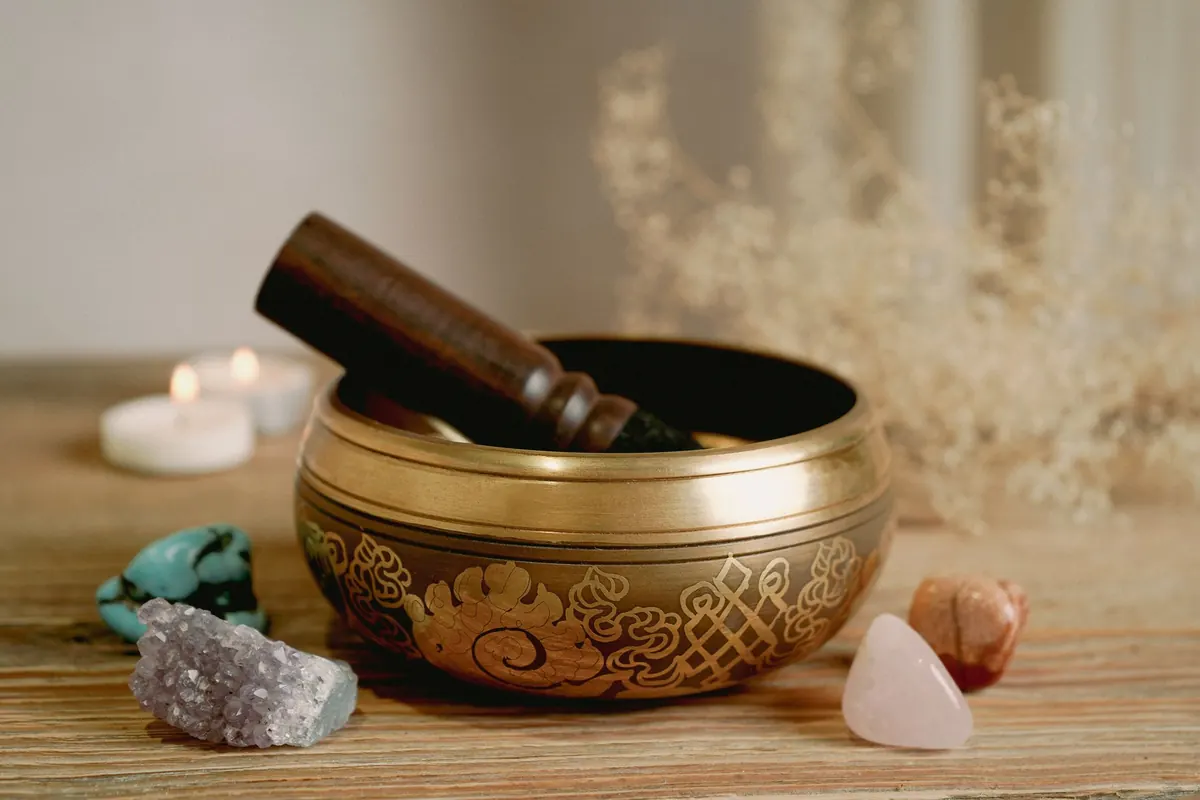
Keep anything burning away from curtains, pets, and children, and never leave a smouldering bundle unattended. Sound is a decent alternative if smoke bothers you or someone in the house: a singing bowl, a small bell, or a tuning fork held near the stone for a minute does the same job for many people.
Charging is the part that gets the most mystique and needs the least equipment. The idea, in practical terms, is to leave a stone in a clean, quiet place with a clear intention and let it rest there. Different methods suit different stones.
Moonlight is the gentlest and the most forgiving. Leave your stones on a windowsill or outdoors overnight during a full moon, then bring them in before the sun gets strong. It suits almost everything, including amethyst and rose quartz, which fade in direct sun.
Sunlight is fine for clear quartz, citrine, and darker stones, but keep it brief. Twenty to thirty minutes of morning sun is plenty. Prolonged exposure will dull the colour of amethyst, rose quartz, and fluorite over months.
Selenite plates and quartz clusters work as a resting place rather than a ritual. Set smaller stones on the plate or among the points and leave them overnight. This is the easiest method for anyone with a busy schedule, and it is safe for water-sensitive pieces.
Burial in earth or dry rice is traditional and effective, though rice can leave dust in crevices and salt-soft stones should not be buried in soil that stays damp. A day in a pot of dry soil, then a brush-off, is enough.
Whatever you choose, name the intention once, plainly. "I'll carry this for calm at work" is more useful than a long recitation. Then put the stone where you will actually see it.
You do not need a weekly ceremony. A simple monthly rhythm covers most collections: dust everything with a dry soft cloth, rinse the hard water-safe stones, smoke the rest, and let the whole group rest overnight on a windowsill or a selenite plate. Write the date down if you like — a small note on your phone is enough — because a routine you can remember beats an elaborate one you abandon in March.
Clean a stone when it looks dull or after it has been handled a lot, and keep the pieces you wear often away from perfume, lotions, and household cleaners. Store softer stones separately from quartz so they do not scratch each other in a drawer.
One last note: crystals are objects of beauty, comfort, and personal meaning, not medical treatment. If you are dealing with a health concern, speak to a qualified professional rather than relying on a stone.
Photo: Natalie Goodwin / Pexels
Learn to spot dye pooling, unnatural saturation, and coated surfaces with simple at-home checks, and read...
A practical guide to Italian mineral fairs: how the shows are organised, how pricing and etiquette work,...
A simple spring equinox routine for sorting, sunning, airing and recharging your crystal collection, with...